Living · 6 min read
Why Beeswax?
By Kristi · September 13, 2026
We pay attention to what is in our skincare, our food and the products we put on our bodies.
But what about the candles we burn in our homes?
Most of us never really think about what candle wax actually is.
Once you do, beeswax starts to make a lot more sense.
Not all candle wax is created the same
Candles today can be made from paraffin, soy, coconut, palm, other vegetable waxes or blends of several different waxes.
Paraffin is derived from petroleum.
Vegetable waxes usually begin as oils that have to be processed into a material suitable for candle making.
And wax blends are extremely common.
That means seeing words like “soy,” “coconut” or “vegetable wax” on the front of a candle doesn't always tell you exactly what the entire wax is made from.
Beeswax is different.
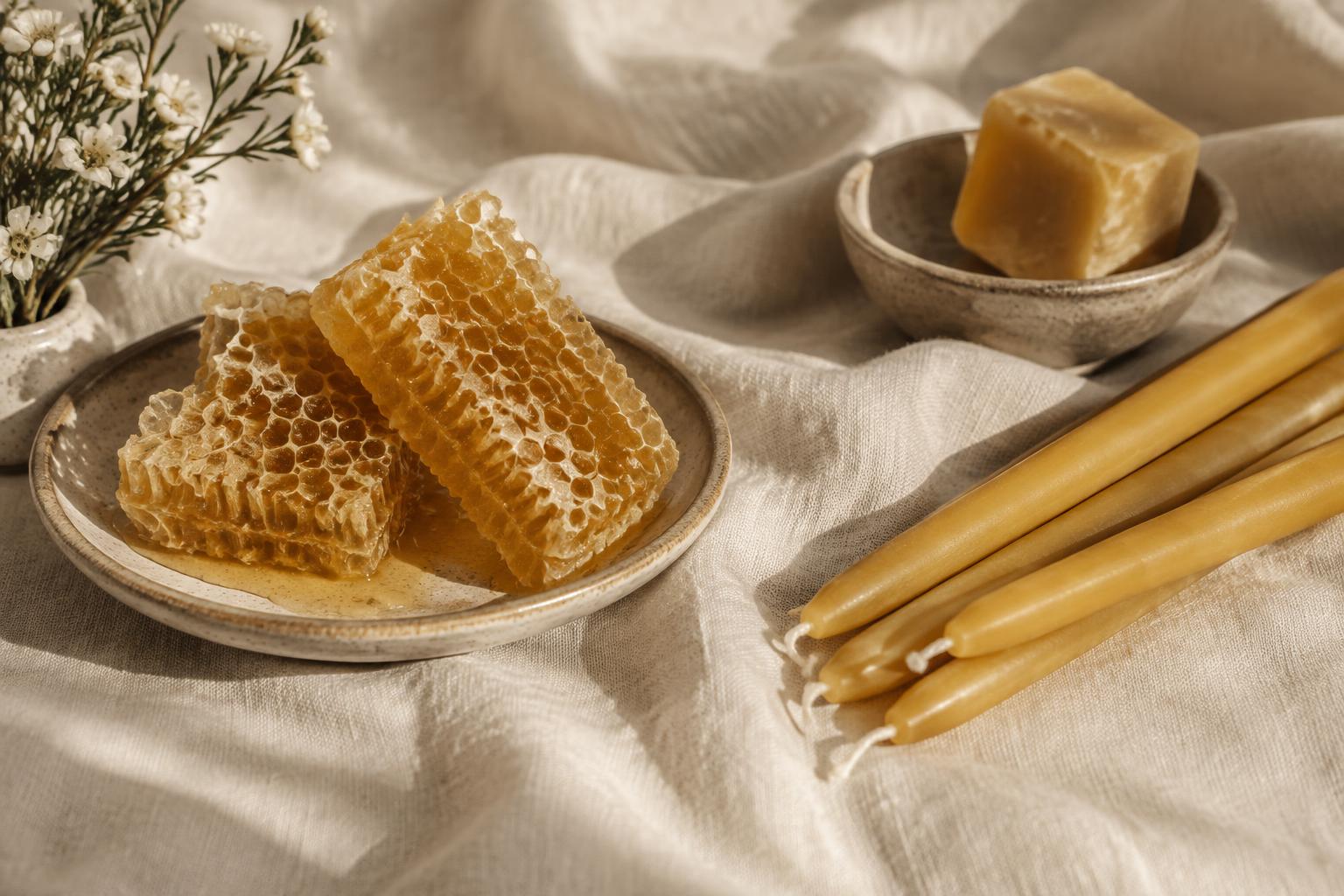
Bees actually make wax. Worker bees naturally produce beeswax and use it to build the honeycomb inside their hive.
The wax already exists.
It doesn't have to begin as petroleum. It doesn't have to begin as a vegetable oil that we figure out how to turn into candle wax.
It was wax from the beginning.
But what about soy?
Soy has become one of the most popular alternatives to conventional candle wax.
For a lot of people, seeing “soy” on a candle immediately makes it feel like the more natural choice.
But there is something most people don't realize.
Soybeans don't produce wax. They produce oil.
Soy candle wax is made from soybean oil. The oil is processed and hydrogenated, changing its physical properties so that a liquid vegetable oil becomes solid enough to function as candle wax.
Commercial soy candle wax is actually a relatively modern invention.
And a candle being marketed as “soy” doesn't automatically mean the entire wax is 100% soy.
Soy can be used in wax blends and formulations with other candle waxes.
So if you started choosing soy because you wanted something simpler, it might be time to look one step further.
Beeswax is already what we're trying to create
This is what makes beeswax so interesting.
We don't have to take an oil and turn it into wax. Nature already made the wax.
Beeswax naturally has a relatively high melting point, generally around 62°C to 65°C, or approximately 144°F to 149°F.
That naturally firm structure is one of the reasons beeswax has been valued for candle making for centuries. It is dense, beautiful and known for its slow burning characteristics when properly wicked.
And unlike a neutral manufactured candle wax, natural yellow beeswax already carries its own subtle, warm aroma.
Nothing has to be added to make it smell like beeswax.
Because it actually is beeswax.
We don't add fragrance oil. At all.
This matters to us.
Most modern candles are sold by their fragrance. Vanilla. Pumpkin. Linen. Florals. Perfume inspired scents.
That fragrance has to come from somewhere. Fragrance oils are added to candle wax specifically to create those scents.
We wanted something different.
KRISTI SPIRAL beeswax candles contain no added fragrance oil.
No synthetic perfume added just to make the candle smell stronger. No seasonal scent trying to fill the entire room.
The natural beeswax is allowed to smell like itself.
Warm. Subtle. Natural.
The candle doesn't need to overwhelm your senses to become part of a ritual.
Sometimes the flame is enough.
Why does beeswax cost more?
Because real beeswax isn't the cheapest way to make a candle.
Bees have to produce it.
Worker bees create wax inside the hive and use it to build the structure that holds their honey and supports the colony.
Producing beeswax requires significant biological resources from the hive, which makes genuine beeswax a valuable raw material.
There are much cheaper ways to manufacture candles.
We simply didn't choose them.
Maybe soy isn't the final upgrade
Soy changed the candle industry because people started thinking more about what their candles were made from. That's a good thing.
But maybe soy isn't where that conversation has to end.
If you're already reading labels. If you're already looking for fewer unnecessary ingredients. If you're already questioning fragrance. If you're already choosing products that are closer to their original form.
Look at the wax too.
Soybeans give us oil.
Bees give us wax.
It's a surprisingly simple difference. And once you know it, it's difficult not to look at candles differently.
Why KRISTI SPIRAL chose beeswax
We could have chosen soy. We could have chosen coconut wax. We could have chosen a cheaper wax blend.
Instead, we chose 100% pure beeswax.
No mystery wax blend. No added fragrance oil. No unnecessary scent added simply because that's what we've come to expect from candles.
Just beeswax, a wick and a flame.
Because a candle doesn't need to be complicated to feel special.
And when nature already created the wax, we don't see a reason to reinvent it.
Maybe the next generation of “natural candles” isn't actually something new.
Maybe it's beeswax.
Sources
National Candle Association. “Elements of a Candle: Wax.” Information about paraffin, beeswax, soy wax, vegetable waxes, synthetic waxes, wax blends and the development of commercial soy wax from hydrogenated soybean oil. https://candles.org/elements-of-a-candle-wax/
Food and Agriculture Organization of the United Nations. “Value Added Products from Beekeeping: Beeswax.” Detailed information about beeswax production, physical characteristics, composition, melting point and traditional uses. https://www.fao.org/4/w0076e/w0076e12.htm
Bogdanov, S. “Beeswax: Production, Properties, Composition and Control.” Bee Product Science. Scientific review covering how beeswax is produced by honeybees, its composition, physical properties and quality.
Rezaei, K., Wang, T. & Johnson, L.A. “Combustion Characteristics of Candles Made from Hydrogenated Soybean Oil.” Journal of the American Oil Chemists' Society, 2002. Research examining hydrogenated soybean oil as candle wax and comparing its candle properties with conventional waxes.
Fratini, F. et al. “Beeswax: A Minireview of Its Antimicrobial Activity and Its Application in Medicine.” Asian Pacific Journal of Tropical Medicine, 2016. Peer reviewed overview of the natural origin, composition and properties of beeswax.
The candles in this article

Meditation Candles — 20 minutes of beeswax and a wick. From $5.
Shop meditation candles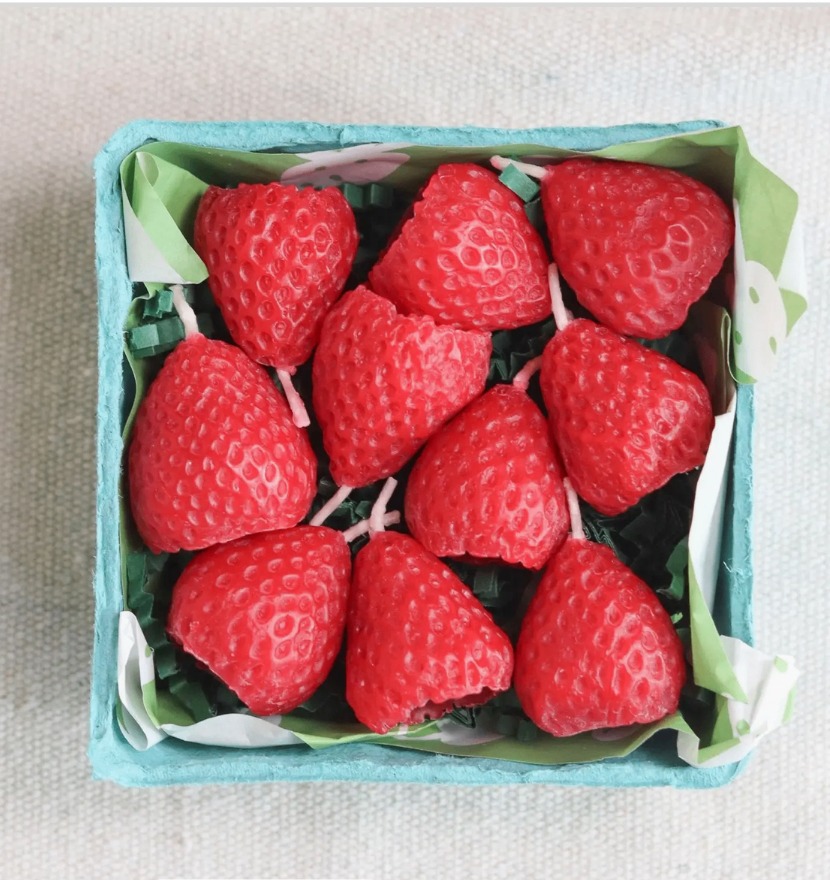
Berry Beeswax Candles — molded from real fruit. Box of 10, $35.
See the berry candles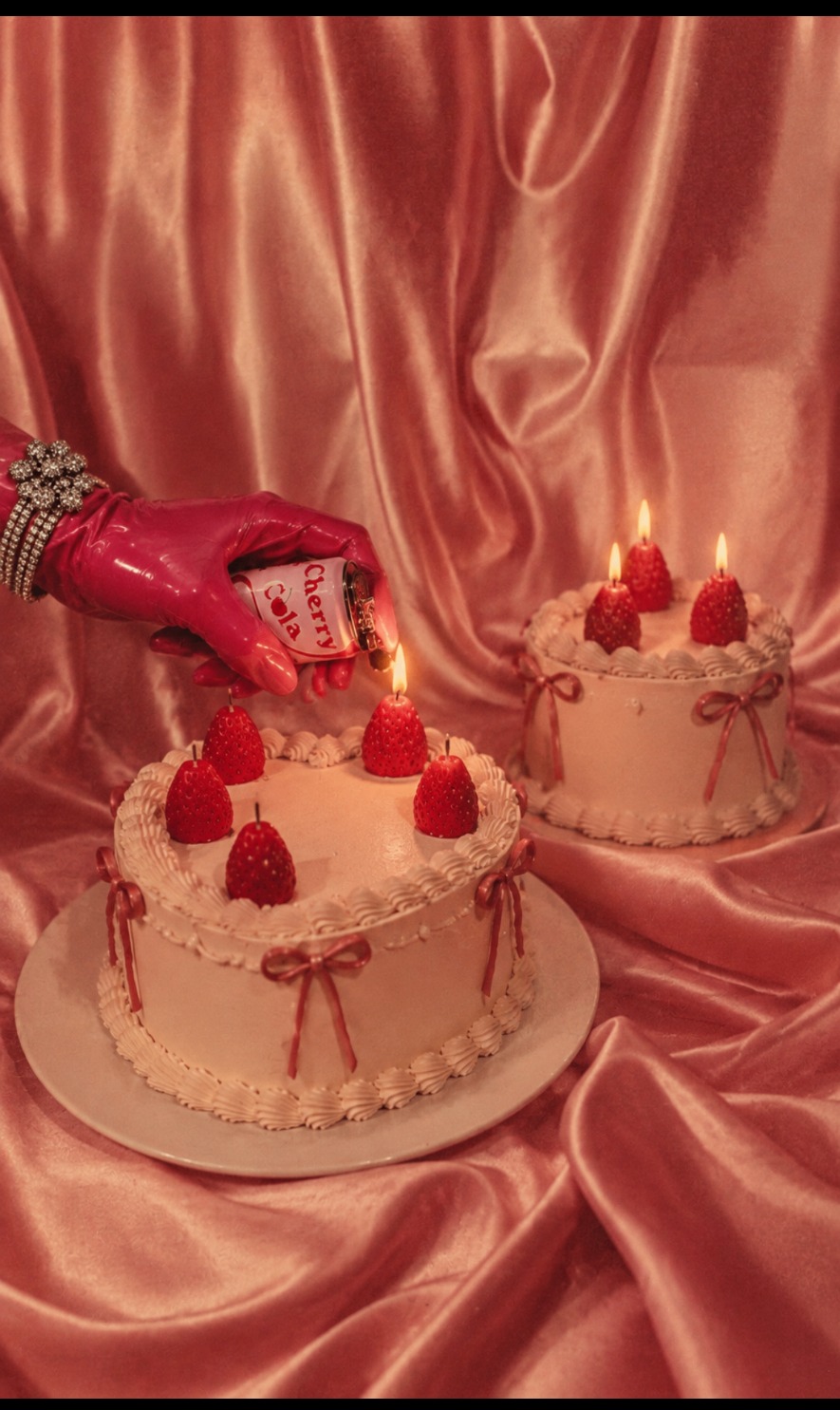
On cakes and pastries instead of plain birthday candles.
See the berry candles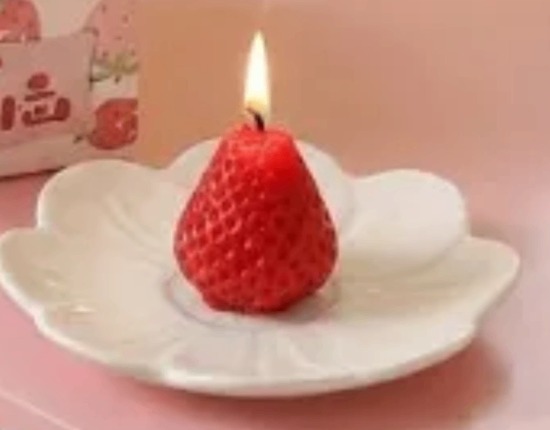
Or one berry on a little dish, just because.
See the berry candlesWant more? Explore the Stillness Portal.
Enter the Portal