Plant Wisdom · 5 min read
Ceremonial Cacao vs Regular Cacao: Why the Grade Matters
By Kristi · June 21, 2026
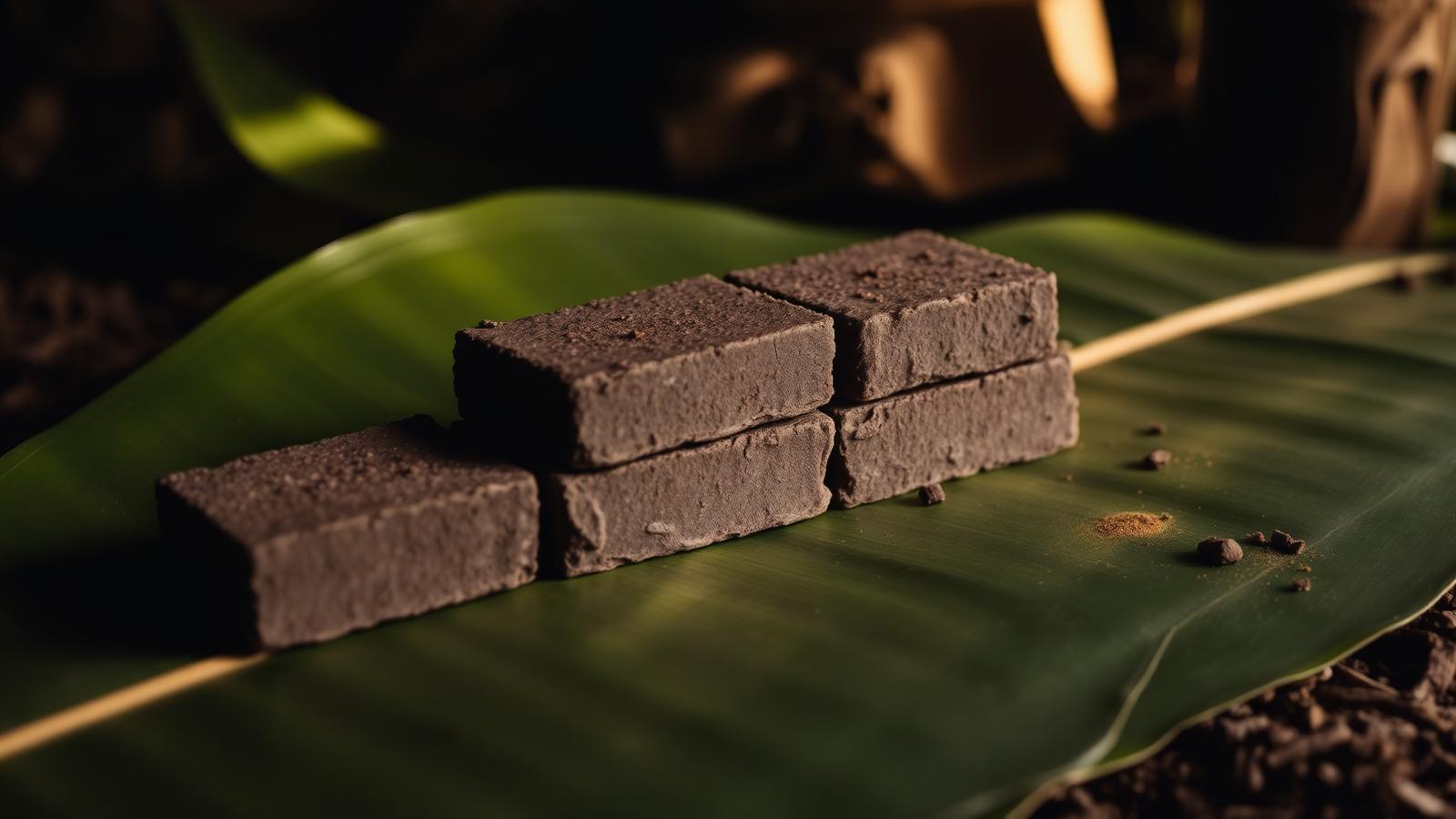
Cacao is one of those words that has stretched to cover almost everything. The dusty cocoa in a hot chocolate packet, the dark bar in a corner shop, the heavy block a friend hands you wrapped in banana leaves after a ceremony in the mountains. All of it comes from the same tree. None of it tastes, feels, or works the same way in the body. The difference is grade, and grade is mostly a story about care.
Ceremonial grade cacao starts with the bean itself. It is typically heirloom Criollo or fine Trinitario, grown in small plots, fermented for the full window the bean asks for, sun dried slowly, and stone ground while still whole. Nothing is removed. The cacao butter stays with the solids, the way the pod intended. The result is a thick, fudgy block that smells like rain on warm earth and tastes nothing like dessert chocolate. It tastes like a plant.
Commodity cacao tells a different story. The beans are usually higher-yield Forastero, harvested fast, fermented quickly, dried with heat, and then alkalized to soften the natural bitterness. The cacao butter is pressed out and sold separately, often to cosmetics companies, leaving behind a defatted powder that is easy to ship and easy to forget. There is nothing wrong with it. It just stopped being a ceremony somewhere along the way.
Want more? Explore the Stillness Portal.
Enter the Portal